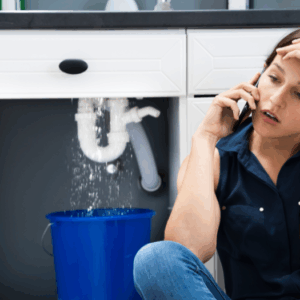

Knowing how to fix garbage disposal issues starts with understanding the most common problems and the safest ways to troubleshoot them. Homeowners often panic when the disposal stops working, hums loudly, or refuses to drain, but most of these issues can be fixed without replacing the entire unit. By following simple steps and recognizing when to call a professional like Clarksville Plumbing, you can restore your kitchen sink quickly and safely.
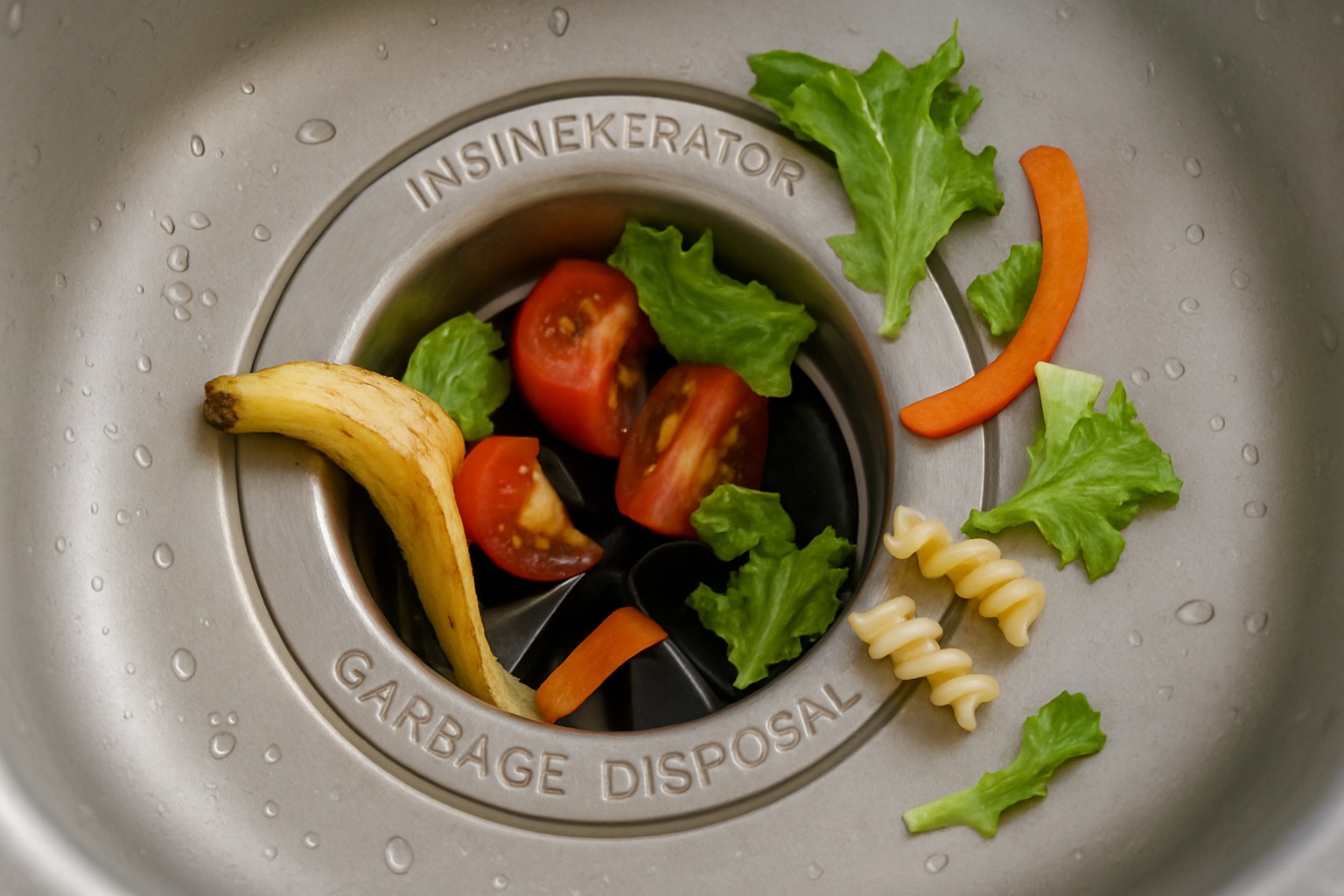
Understanding How Your Garbage Disposal Works
Before diving into repairs, you need to understand what is actually happening inside the disposal. A garbage disposal isn’t a blender with blades; instead, it uses a spinning impeller plate with metal lugs that grind food against a stationary ring. When something jams or power fails, the unit’s internal safety mechanisms shut it down, preventing further damage. Knowing this helps you troubleshoot issues more effectively and avoid dangerous mistakes.
Garbage disposals rely on electrical power, water flow, and unrestricted rotation. If any one of these factors becomes compromised, the unit begins to malfunction. That’s why most fixes involve resetting the power, freeing the impeller, clearing a clog, or tightening loose components.
Start With Safety Before Any Repair
Whenever you are working on your garbage disposal, safety should be your first priority. Never place your hand directly inside the unit, even when it is turned off. You should always shut off the power at the wall switch or breaker before inspecting anything inside the drain. Use tools, a flashlight, and protective gloves so you can avoid accidental injuries.
Once the unit is safely powered off, you can begin troubleshooting with confidence.
Fixing a Garbage Disposal That Won’t Turn On
If your garbage disposal does not respond at all it is almost always an electrical issue. Fortunately, electrical problems are often the easiest to fix.
First, ensure the disposal is plugged in. Many kitchen outlets are under the sink and can loosen over time. If it is plugged in, the next step is to press the red reset button located on the bottom of the disposal. This button is triggered when the motor overheats or becomes overloaded. Pressing it usually restores the unit immediately.
If the reset button trips again quickly, that means there is still an underlying issue. In that case, avoid repeated resets and move on to checking for jams or clogs.
If your disposal still does not turn on after trying these steps, check the kitchen circuit breaker. A tripped breaker can shut down the disposal entirely. Resetting the breaker often brings the unit back to life. If not, you may be dealing with a faulty switch, wiring issue, or internal motor failure.
Fixing a Garbage Disposal That Hums But Won’t Spin
A humming garbage disposal means the motor is receiving power, but the impeller plate is stuck and cannot rotate. This is one of the most common issues homeowners face, and the fix is usually simple.
Turn off the power completely. Then locate the small hex-shaped opening at the bottom of the disposal. Most units come with an Allen wrench designed to fit this socket. Insert the wrench and rotate it back and forth to manually free the jammed impeller. You may feel resistance at first, but keep turning gently until the part loosens.
Once it moves freely, restore the power and test the disposal. Running cold water while turning it on can help clear any remaining debris. If the unit still hums or jams again, you may need to inspect for objects such as bones, metal, or fibrous foods tangled in the grinding chamber.
Fixing a Slow-Draining Garbage Disposal
A garbage disposal that drains slowly is typically clogged—either in the unit itself or in the drainpipe. This type of issue develops over time as food scraps, grease, and soap scum accumulate.
Start by running cold water and turning on the disposal to see if it clears naturally. If it doesn’t, shut off the power and inspect the inside with a flashlight. Remove any visible buildup using pliers or tongs.
If the clog is deeper, the next step is to dismantle the P-trap under the sink. Place a bucket beneath the pipe to catch any water, then unscrew the connections and empty the trap. Clear the pipe fully and reinstall it.
Avoid using chemical drain cleaners. These can damage the disposal components and create hazardous fumes. Mechanical cleaning is safer and more effective.
Fixing Garbage Disposal Leaks
Leaks typically occur in three areas: the sink flange, the dishwasher connection, or the drainpipe.
If water is dripping from the top of the disposal, the sink flange seal is likely worn or loosened. Tightening the mounting screws may solve the issue. If not, you may need to reseal the flange using a plumber’s putty.
Leaks from the side of the unit often come from the dishwasher hose connection. Tightening the clamp or replacing the hose typically solves this.
Leaks beneath the disposal indicate a damaged internal seal. In this case, the disposal usually needs to be replaced, as internal leaks are not repairable.
Fixing a Garbage Disposal That Smells
Foul odors occur when food debris sticks to the grinding chamber or drainpipe. The good news is that cleaning is simple.
Start by running cold water and adding ice cubes. Turn on the disposal and let the ice break up debris. After that, add a small amount of baking soda followed by vinegar. The foaming reaction lifts sludge and eliminates odors. Finish by grinding slices of lemon or orange for a fresh scent.
Avoid bleach, as it can damage rubber components and does not remove the underlying buildup that traps odors.
Preventing Garbage Disposal Problems in the Future
While knowing how to fix garbage disposal issues is essential, preventing them is even more important. Many homeowners unintentionally overload or misuse their disposal, leading to repeat repairs.
Always run cold water before, during, and after using the unit. Avoid grinding foods like grease, fibrous vegetables, eggshells, or large bones. Feed food slowly into the chamber instead of all at once. Cleaning the disposal weekly helps keep the grinding components sharp and the drain flowing freely.
Following these habits ensures your disposal lasts longer, operates more quietly, and suffers fewer breakdowns.
When to Call a Professional for Garbage Disposal Repairs
Some disposal problems require expert help, especially if the motor is burned out, wiring is faulty, or leaks originate inside the unit. A technician can determine whether repair or replacement is more cost-effective. If your disposal is over 10 years old, replacement often makes the most sense.
Electrical issues should also be left to professionals. If your home’s wiring or breaker panel is contributing to disposal failure, attempting to repair it yourself can be dangerous.
Knowing when to stop troubleshooting and call for help protects your home and prevents further damage.
Final Thoughts
Fixing a garbage disposal is often easier than homeowners expect. Most problems can be resolved with basic tools and simple steps. By following safety precautions and troubleshooting each issue systematically, you can restore your disposal quickly and avoid unnecessary replacement costs.
If you’re dealing with persistent garbage disposal problems or want professional installation and repair, Clarksville Plumbing is ready to help. Call Clarksville Plumbing today for fast, reliable service and expert solutions for all your kitchen plumbing needs.