
Low hot water pressure is a common household problem that usually happens when mineral deposits, sediment build-up, or partially closed valves block the flow. In most cases, the issue is isolated to a single faucet or fixture — but sometimes it points to a bigger problem like sediment clogging your water heater or corrosion inside old pipes. The good news? Many of these fixes are quick and DIY-friendly.

1. Identify Where the Problem Is
Before you start taking anything apart, figure out if the problem is happening at one fixture or throughout your house.
- One faucet: It’s likely a local blockage — a clogged aerator or shut-off valve.
- All hot taps: It could be your water heater, a main shut-off valve, or aging pipes.
- Hot vs. cold water: If the cold water runs fine but hot is weak, your water heater or its connections are the main suspects.
2. Check for Local Blockages Clean or Replace the Faucet Aerator
The tiny mesh screen at the tip of your faucet (the aerator) collects minerals and debris over time, and may be restricted flow if not properly cleaned. To fix this:
- Unscrew the aerator.
- Soak it in white vinegar for 30 minutes to dissolve mineral deposits.
- Scrub with an old toothbrush, rinse, and reinstall.
- If the mesh is damaged or heavily clogged, pick up a replacement at your local hardware store.
Examine the Faucet Cartridge or Flow Restrictor
Modern faucets, especially single-handle models, have a cartridge that controls flow and temperature. A blocked or failing cartridge can dramatically reduce hot water pressure. Remove the handle and cartridge (following your faucet’s manual) and rinse out any debris. Replace it if you see cracks or corrosion.
Inspect the Shut-Off Valve Under the Sink
Every sink has hot and cold shut-off valves underneath. Sometimes, these get bumped and partially closed. Make sure they’re fully open. If a valve seems stuck or corroded, turn it off and on a few times to dislodge debris.
Check Supply Lines and Flexible Hoses
Flexible hoses under your sink can kink, clog, or deteriorate inside. Turn off the shut-off valve, disconnect the hot water line, and inspect it for blockages. Replace any damaged or kinked hoses.
3. Flush Your Water Heater
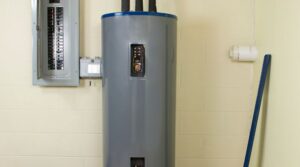
If your entire house has low hot water pressure, your water heater could be the culprit. Sediment naturally builds up inside the tank, especially if you have hard water. Over time, this sediment can clog the outlet.
How to flush it:
- Turn off the water heater (gas or electric).
- Connect a garden hose to the drain valve at the bottom.
- Open the drain valve and flush until the water runs clear.
- Close the valve, disconnect the hose, and restart your heater.
Pro tip: Flushing your water heater once a year can prevent this issue altogether.
4. Check the Main Hot Water Shut-Off Valve
Many water heaters have a separate shut-off valve just for hot water. If this valve is partially closed or stuck, you’ll notice low pressure on the hot side only. Make sure this valve is fully open. If the valve is old and corroded, it may need to be replaced by a plumber.
5. Test Your Pressure Regulator
When both your hot and cold water pressure are low, your pressure reducing valve (PRV) or main regulator could be the cause. This device keeps your household water pressure at a safe level. If it fails, it can drop your water pressure too low.
- Check your home’s water pressure with a simple gauge at an outdoor spigot.
- Normal pressure should be 40–60 psi.
- If it’s too low, you may need to adjust or replace the PRV.
6. Consider Pipe Age and Corrosion
If you live in an older home with galvanized steel pipes, rust and mineral deposits can build up inside over decades, narrowing the flow. This often affects hot water lines first. Unfortunately, pipe corrosion isn’t a quick fix — a professional plumber can help you decide if it’s time to repipe your home with modern materials like PEX or copper.
Fixture-Specific Tips Bathroom Sinks & Showers
- Unscrew and clean faucet aerators or showerheads.
- Remove any flow restrictors if allowed.
- Check the mixing valve behind the handle — it can clog and reduce hot flow.
Kitchen Sinks
- Clean aerators and cartridges.
- If you have a pull-out faucet, check the hose and any inline filters.
- Make sure the under-sink valve is fully open.
Laundry or Utility Sinks
- Confirm hoses and valves are free of kinks or blockages.
- If you have an older wash basin, sediment can settle inside the faucet itself.
When to Call a Professional
DIY fixes handle most causes of low hot water pressure. But if you’ve cleaned aerators, flushed your heater, and checked valves with no improvement, it’s time to call a licensed plumber. Persistent low pressure may signal hidden leaks, failing pressure regulators, or pipe corrosion that needs professional care.
Conclusion
Low hot water pressure can be frustrating, but a little troubleshooting goes a long way. Whether it’s cleaning an aerator, flushing your tank, or replacing an old shut-off valve, many fixes take less than an hour. If you’re still struggling with weak hot water after these steps, contact Clarksville Plumbing today! Our experts can diagnose stubborn problems, repair or replace worn-out parts, and make sure you’re getting the strong, reliable hot water flow your home deserves.