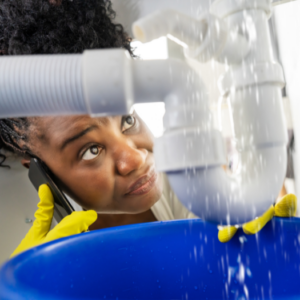
A plumbing emergency is any sudden plumbing issue that threatens your home, health, safety, or access to essential water services and requires immediate professional attention. These problems often involve uncontrolled water flow, sewage exposure, or the complete loss of plumbing functionality. Knowing what qualifies as a plumbing emergency can help you act quickly, reduce damage, and protect your home.
Common Types of Plumbing Emergencies
Burst or broken pipes: When a pipe bursts, water can flood your home within minutes, damaging floors, walls, ceilings, and personal belongings. Immediate shutoff and professional repair are critical.
Severe water leaks: especially those that cannot be controlled with a shutoff valve, can cause extensive water damage and lead to mold growth if left untreated.
Overflowing toilets: that cannot be stopped pose sanitation risks and can quickly contaminate floors and surrounding areas.
Sewage backups: Wastewater backing up into sinks, tubs, or drains can expose your household to harmful bacteria and should be addressed immediately.
Major drain or sewer line blockages: that affect multiple fixtures often indicate a main sewer problem. These issues typically worsen quickly and require professional equipment to resolve.
Loss of water service: throughout the home is also considered an emergency, especially when it affects hygiene, cooking, or sanitation.
Water heater failures can be emergencies when they result in flooding, leaking tanks, or complete loss of hot water during extreme weather conditions.
Sewer gas odors or plumbing-related gas leaks can be dangerous and should never be ignored, as they may indicate serious underlying issues.
When a Plumbing Problem Is Not an Emergency
Not every plumbing issue requires emergency service. Minor leaks, slow drains that still function, dripping faucets, or small water pressure changes are usually not emergencies if they are stable and not causing damage. These problems should still be repaired promptly but can typically wait for a scheduled service appointment.

What to Do During a Plumbing Emergency
If you experience a plumbing emergency, the first step is to shut off the main water supply to stop further damage. If water is near electrical outlets or appliances, turn off electricity in the affected area if it is safe to do so. Contain any water using towels, buckets, or mops, and avoid using plumbing fixtures if sewage is involved. Once immediate risks are controlled, contact an emergency plumber right away.
How Emergency Plumbers Help
Emergency plumbers respond quickly to assess the situation, stop the source of damage, and perform necessary repairs. This may include repairing or replacing pipes, clearing major blockages, fixing water heaters, or addressing sewer issues. Professional plumbers also help ensure the problem is fully resolved and not likely to recur.
How to Prevent Plumbing Emergencies
Regular plumbing inspections, especially before winter, can help prevent emergencies. Insulating pipes, avoiding flushing non-flushable items, monitoring water pressure, and addressing small leaks early can significantly reduce the risk of major plumbing failures. Preventive maintenance is one of the best ways to protect your home.
Conclusion
Plumbing emergencies can happen at any time and often escalate quickly if not addressed immediately. Understanding what is considered a plumbing emergency helps you respond faster and minimize damage to your home. If you’re dealing with a burst pipe, sewage backup, major leak, or loss of water service, Clarksville Plumbing is ready to help. Contact Clarksville Plumbing anytime for dependable emergency plumbing solutions!